The Desk Potato Confession. (And Why Your Body Is Where Performance Actually Lives)
I have a confession and I think you'll totally be up for the same confession!
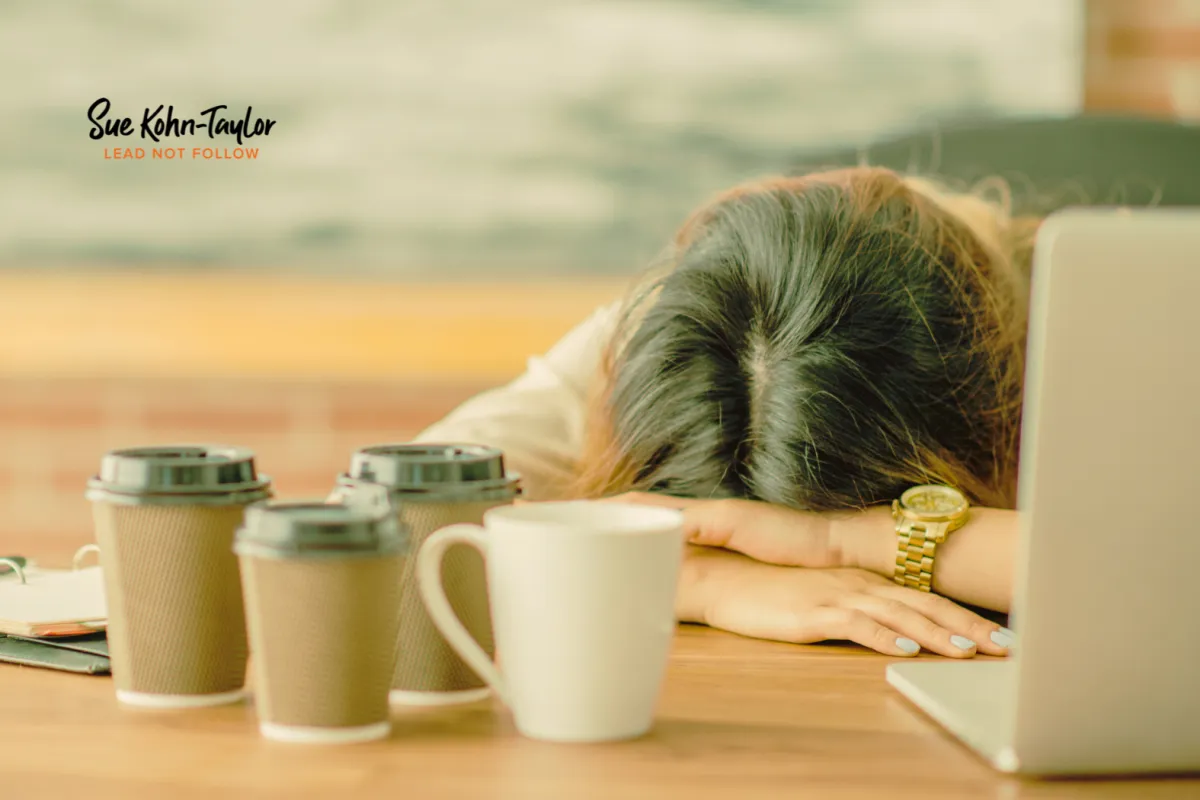
Last week I looked up from my screen at 3pm and realised I hadn't moved in two and a half hours. Not walked to the window. Not refilled my water. Not stood up once. I had become a full, committed, unashamed Desk Potato.
And here is the thing. I only noticed because I felt it. The brain fog creeping in. The legs starting to protest. That fuzzy "I can't quite think straight" feeling that no amount of caffeine actually fixes. My body was sending me a very clear message, and I had been too busy staring at a screen to receive it.
We talk a lot about mental performance. Mindset - Focus - Resilience - Clarity. But somewhere along the way, we forgot that the mind lives in a body. And if the body is stiff, static, and starved of movement, the mind follows.
This isn't just about fitness. It's about how you function.
Energy, clarity, and presence are physical before they are anything else. The research on this is not new. Even short movement breaks, we're talking two to five minutes, have been shown to improve concentration, reduce stress hormones, and lift mood. Sitting for long stretches does the opposite. It slows circulation, tightens the hips and back, and quietly dulls your thinking without you even realising it is happening.
That's the sneaky part. The Desk Potato creep is gradual. You don't notice it in the moment. You just slowly become less sharp, less present, and more reactive. And you wonder why by 4pm you feel like you are wading through sand.

Why desk workers are especially at risk
If you work from home, this pattern intensifies. There is no commute forcing you to walk to the car, the train, the coffee shop. No colleague pulling you into a hallway chat. No reason to move between meetings rooms or buildings. Your world can shrink to a screen, a chair, and a very sad number of steps by end of day.
In a workplace, Zoom meetings, work meetings and actually doing the work can see you glued to your screen and desk for long periods of time!
I'm currently aiming for 8,500 steps a day. Sounds achievable, right? Until I looked at my actual numbers on the days I was glued to a project. Some days I was barely hitting 2,000. That woke me up and was the catalyst for the change I needed.
The reset I made, and what actually works
I did not overhaul my entire life. I made small, deliberate shifts.
First, I set an alarm every 45 minutes. When it goes off, I move. Not a full workout. Not a gym session. Just movement - Walking to the window, a few minutes of knees-up marching on the spot, a quick stretch. Sometimes, honestly, a little dance around the kitchen. Whatever it takes to break the static spell.
Second, I built in what I call micro-moves. These are tiny physical resets that cost you almost nothing in time but give you back a lot in energy and clarity.
Walking outside to check the weather, even for 60 seconds.
Standing up to take a phone call. Doing a quick set of shoulder rolls or neck stretches between tasks. None of these are dramatic yet all of them make a difference.
Third, I started treating movement as part of my performance, not a break from it. That reframe changed everything because it stopped feeling like an interruption and started feeling like an investment.

What your body is actually telling you
That foggy, sluggish, slightly tired feeling you get mid-afternoon? That's not a signal to drink more coffee. It's your body asking for movement. It's your nervous system asking for a reset. It's your brain saying "I need blood flow, fresh air, and a change of scene, not another hour in this chair."
When you respond to that signal, you come back sharper. More present. More able to think clearly and make good decisions. The quality of your work in the two hours after movement is almost always better than the two hours before it.
Self-leadership starts here
We often think of self-leadership as the big stuff. Vision, values, purpose, direction and it is all of that. But it's also the daily, unglamorous, surprisingly powerful practice of taking care of the body you live in.
You cannot show up with energy and presence if your body is running on empty and your legs have not moved since morning. You cannot lead others effectively if you are too depleted to lead yourself through the afternoon.
This is the unsexy truth about elevating your personal and professional success. It's not just strategy. It's not just mindset. It's sleep, movement, water, breaks, and knowing when to step away so you can come back stronger.
Desk Potato days will happen. But they do not have to be your default.
Set the alarm. Take the break. Move the body. Come back sharper.
Your work will thank you. Your brain will thank you. And honestly, so will the people around you. Because that's what it's done for me!
With energy and intention,
Sue

Three Things Your Wellbeing Actually Needs
(That No One Talks About Enough)
1. Your mind needs silence, not just rest.
Scrolling is not recovering. Watching Netflix is not switching off. Your mind needs genuine quiet time. Even ten minutes of nothing. No input, no task, no consumption. Just you.
2. Your emotions need to move, not be managed.
Most high performers are brilliant at managing their emotions. Containing them. Pushing through. But unfelt feelings don't disappear. They settle into your body, your posture, your presence as energy. Give them somewhere to go.
3. Your body is sending signals you're probably overriding.
Tension in your shoulders. That 3pm slump. The shallow breathing you don't notice until someone points it out. The 3rd cold this winter. Your body is always communicating. The question is whether you're listening.
Unlock 25% OFF All Courses This June
Your chance to level up your self-leadership and skills -
limited time only!


45 - 90 minute sessions, tailored for your team or group - contact me now for details!
Have you watched these on YouTube?